Woodward Group
Tradition, tightened.

Big ideas, real impact.
A closer look at the problem, the thinking behind the work, and what changed once it was out in the world.
-
The Situation
Woodward Group owners wanted to unite their organization under one brand. The leaders of the individual divisions did not. The iconic red W was still recognizable, but decades of use had fractured the typography, colours, and applications across shipping, aviation, fuel, and construction. The goal was to prove the value of a shared system and build a standard strong enough to hold everyone together.
The Problem
Eleven separate divisions with fractured legacy branding and a reluctance to surrender local autonomy.
The Constraints
There was no internal marketing team. The work moved through an external marketing partner, a delegated contact, and multiple directors reviewing on their own timelines. Employees were used to building their own materials, including a homegrown Canva business card already in circulation.
-
The Approach
I used moodboards and hard budgets to make the trade-off clear: the cost and chaos of designing a suite of separate division logos versus the strength of one coherent group system. The single-system route won. The mark itself was recalibrated with sharper geometry, supported by a clean typographic voice in Avory PE Variable. To navigate the approval chain, I created a focused decision sheet that forced clear choices early. And to earn adoption, I built the new business cards as a governed Canva template, deliberately integrating the best ideas from the engineer’s existing card so the new system felt like an upgrade, not an order.
The Product
A master-brand system for Woodward Group and its eleven sub-brands.
The Role
Brand Identity, System Design & Process Architecture
The Team
Cora Brown + external marketing partner
The Timeline
Alignment → system design → phased rollout
-
The Delivery
A clear, engineered master-brand standard that works in the real world.
The Outcome
One coherent system designed to translate predictably across business cards, signage, safety gear, and shipping invoices without leaving the divisions behind.
The W, Recalibrated.
After decades at sea, in the air, and across the North Atlantic, Woodward’s iconic red “W” had weathered some waves. It was recognizable, but fractured — each division adding its own spin. Fonts freelanced. Colours drifted. The mark itself softened. My role wasn’t to reinvent the “W,” but to sharpen it, realign it, and rebuild a system strong enough to hold the weight of eleven sub-brands.
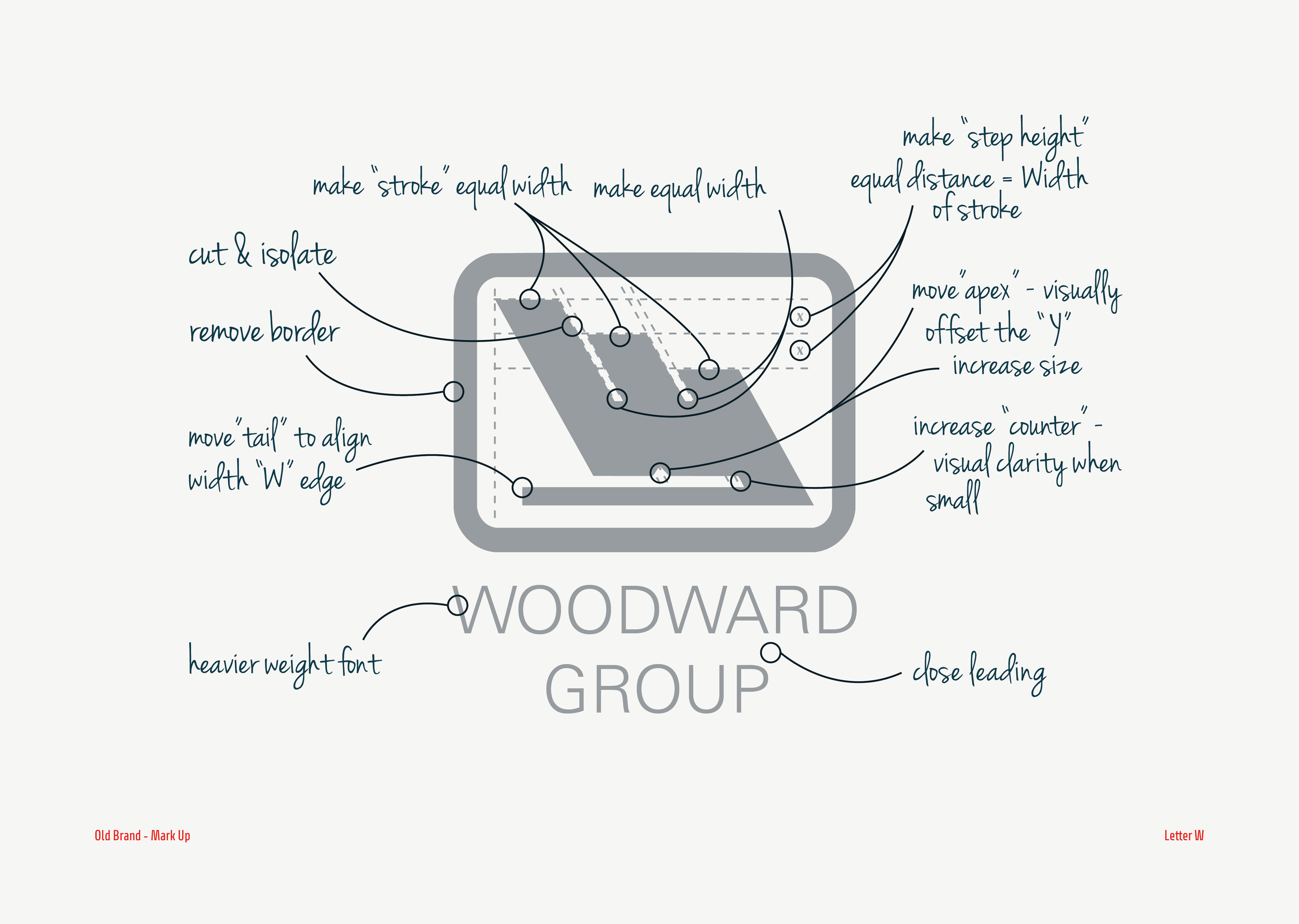
One Group.
Too Many Identities.
Woodward Group spans shipping, aviation, fuel, construction, and more. The challenge? Every division spoke a slightly different visual language. What was once a unifying “W” had become a game of telephone. To move forward, the brand needed one voice, one system, one standard.
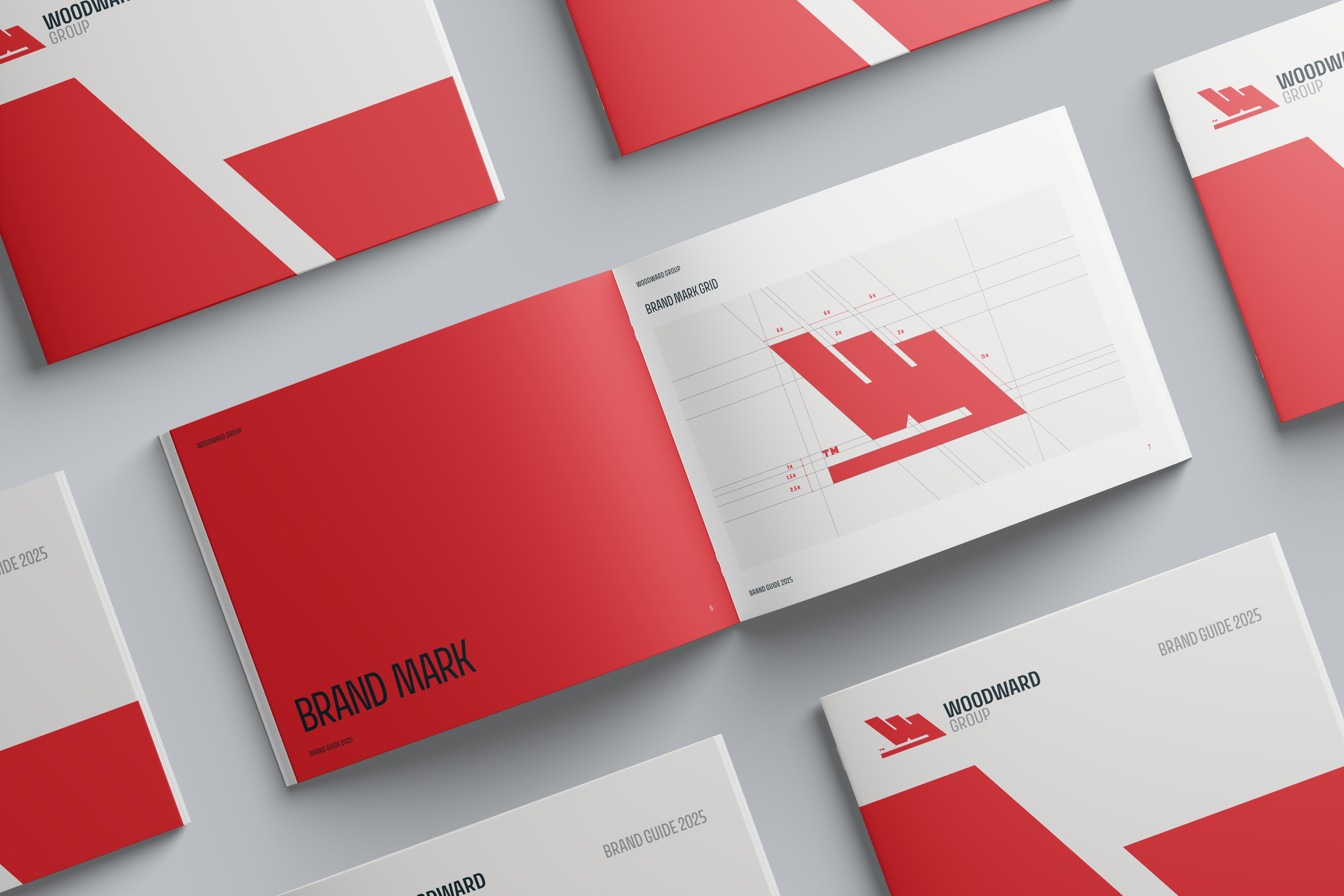
A Mark That Holds Its Course.
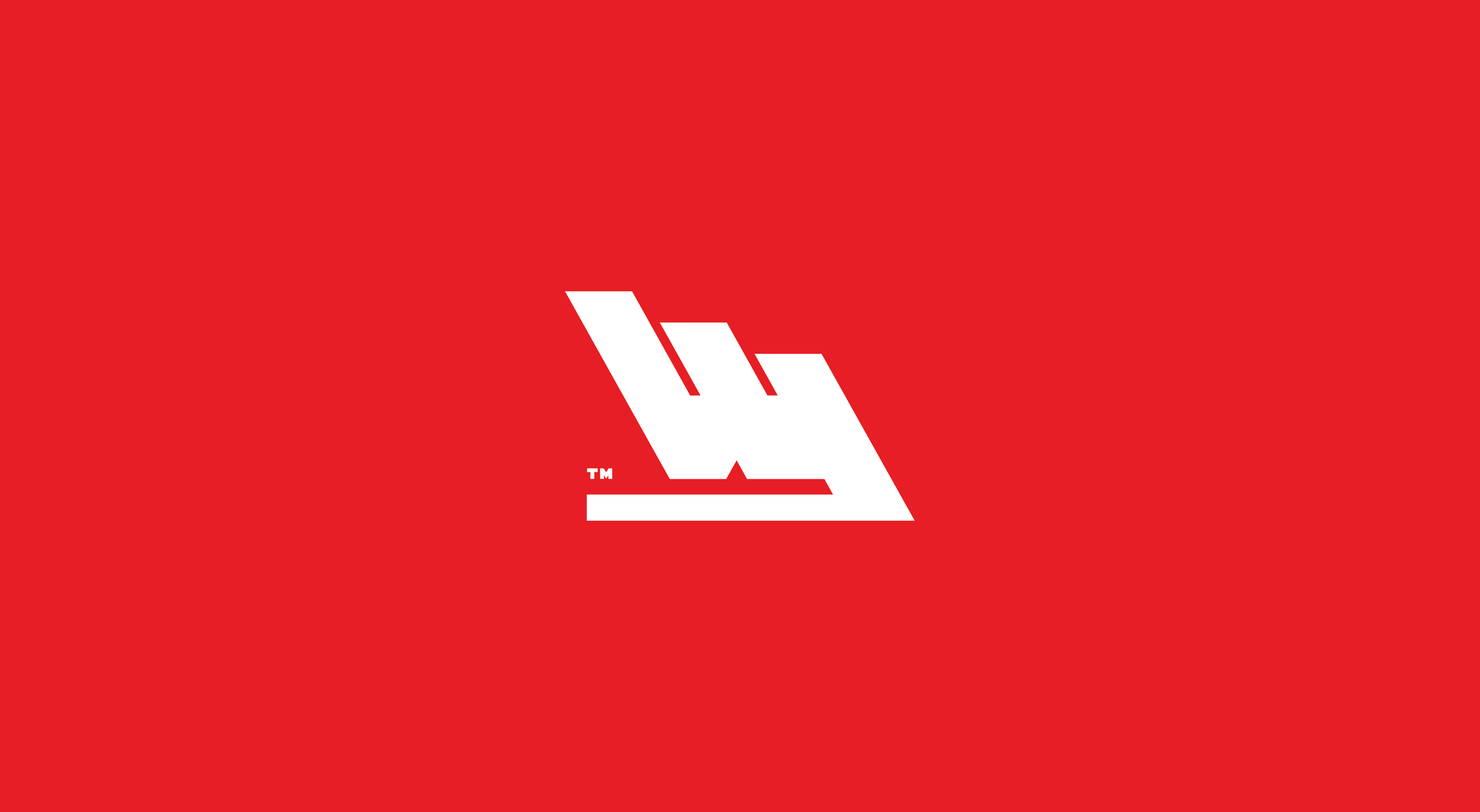
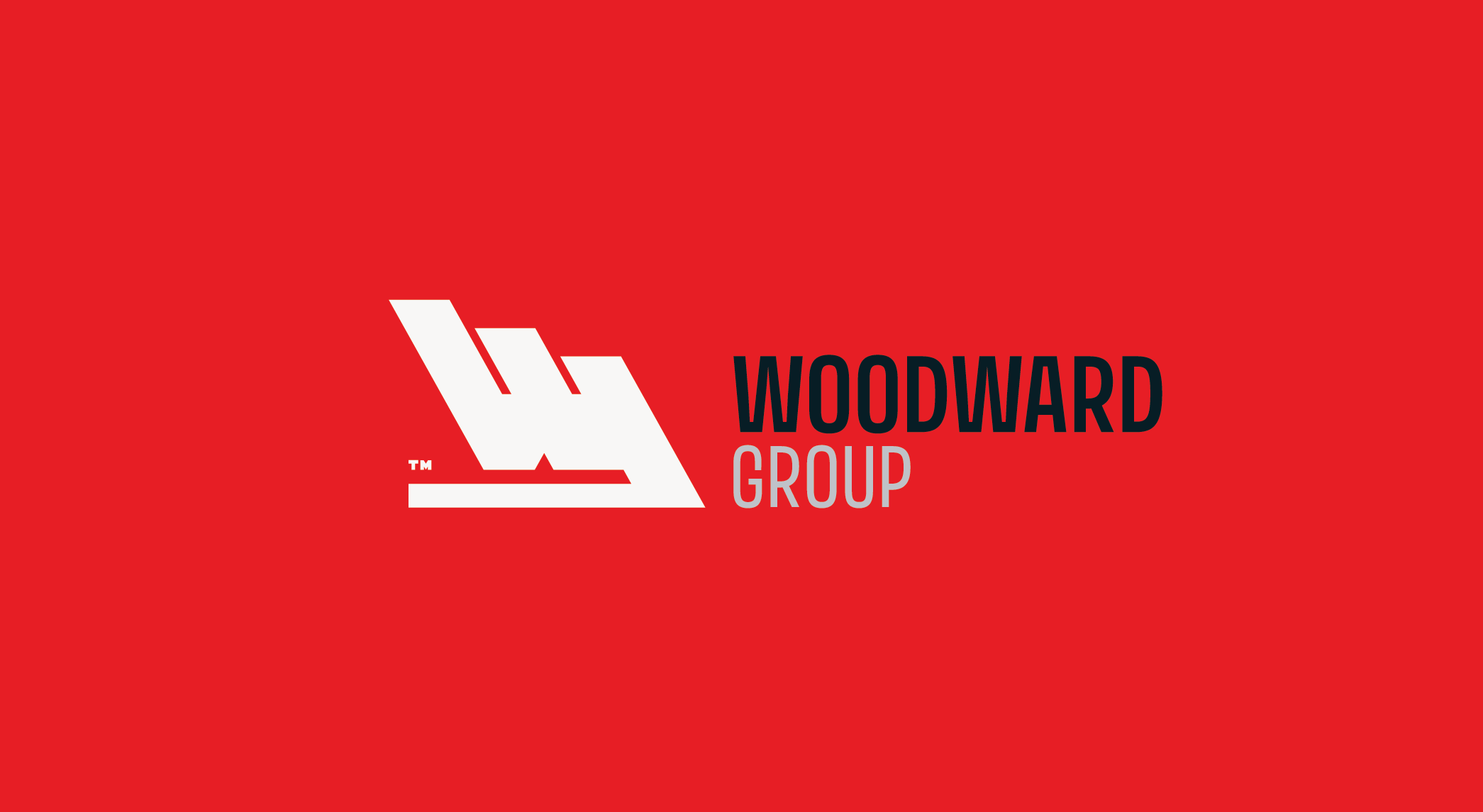
The updated “W” is engineered, not just drawn. Its geometry is sharper, its edges truer, its balance deliberate. We built a system where the logo is no longer up for interpretation — it’s the anchor. From there, typography and colour extend the system with precision, creating a foundation flexible enough to handle every division.


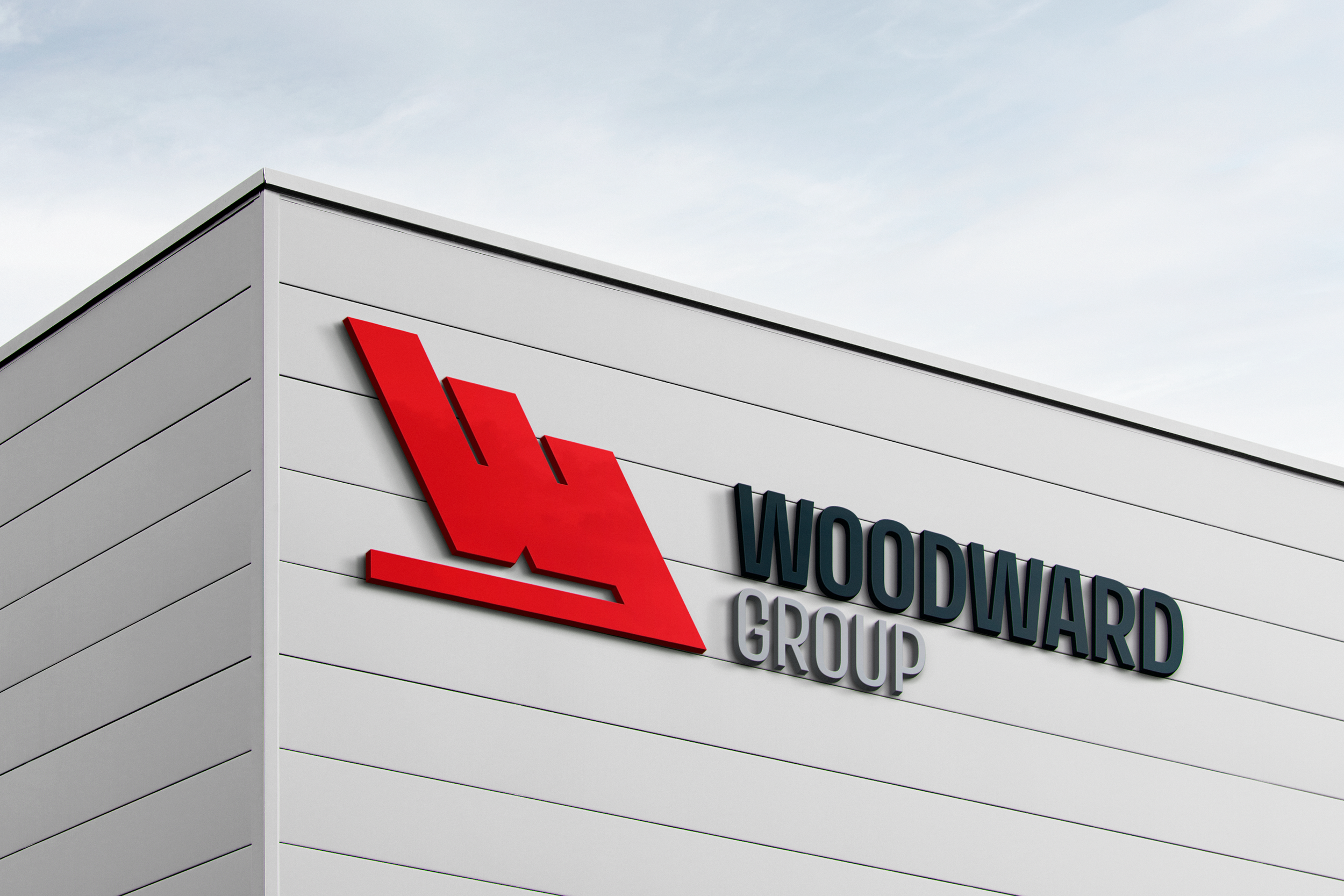

Meet Avory, the equally Edgy sibling.
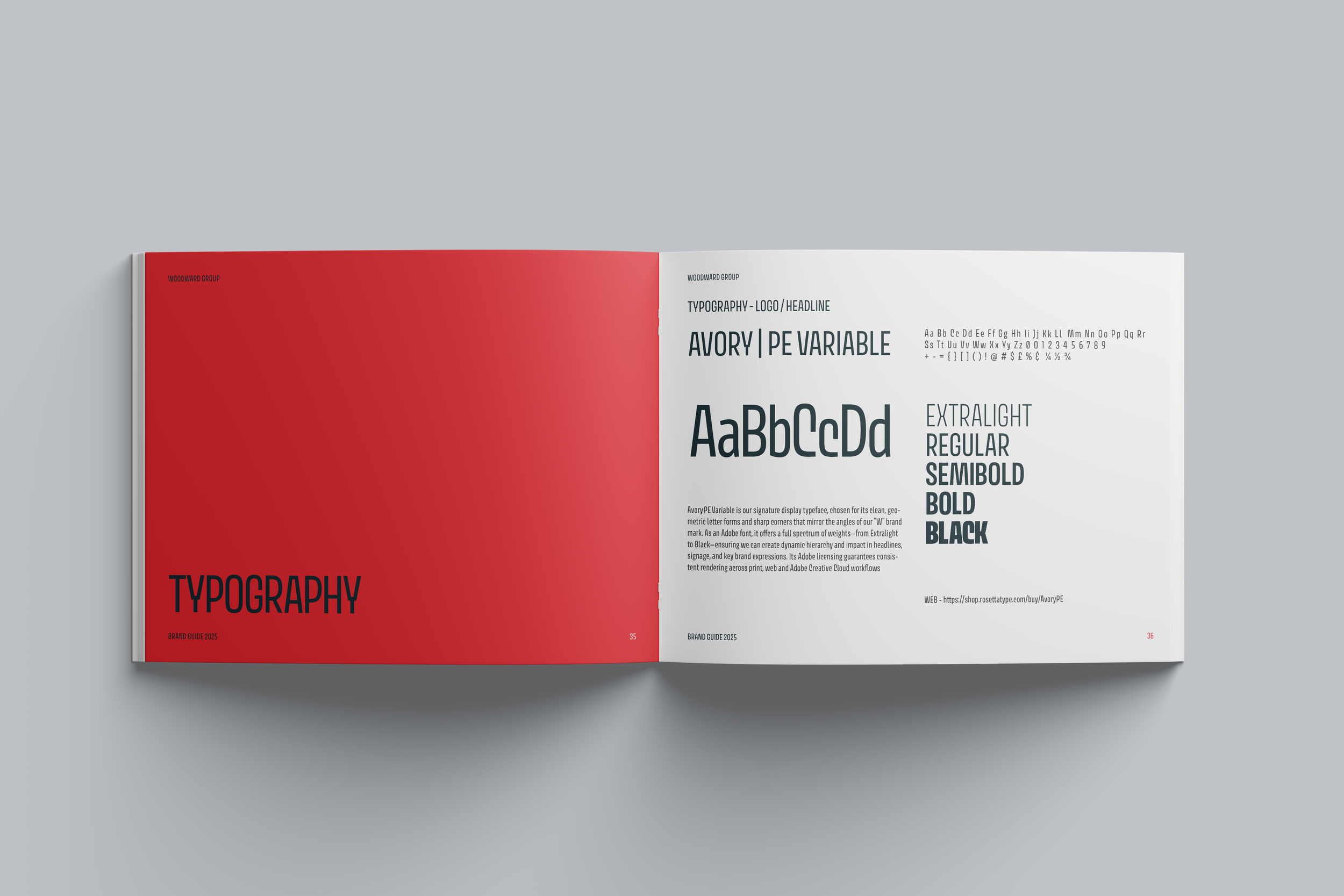
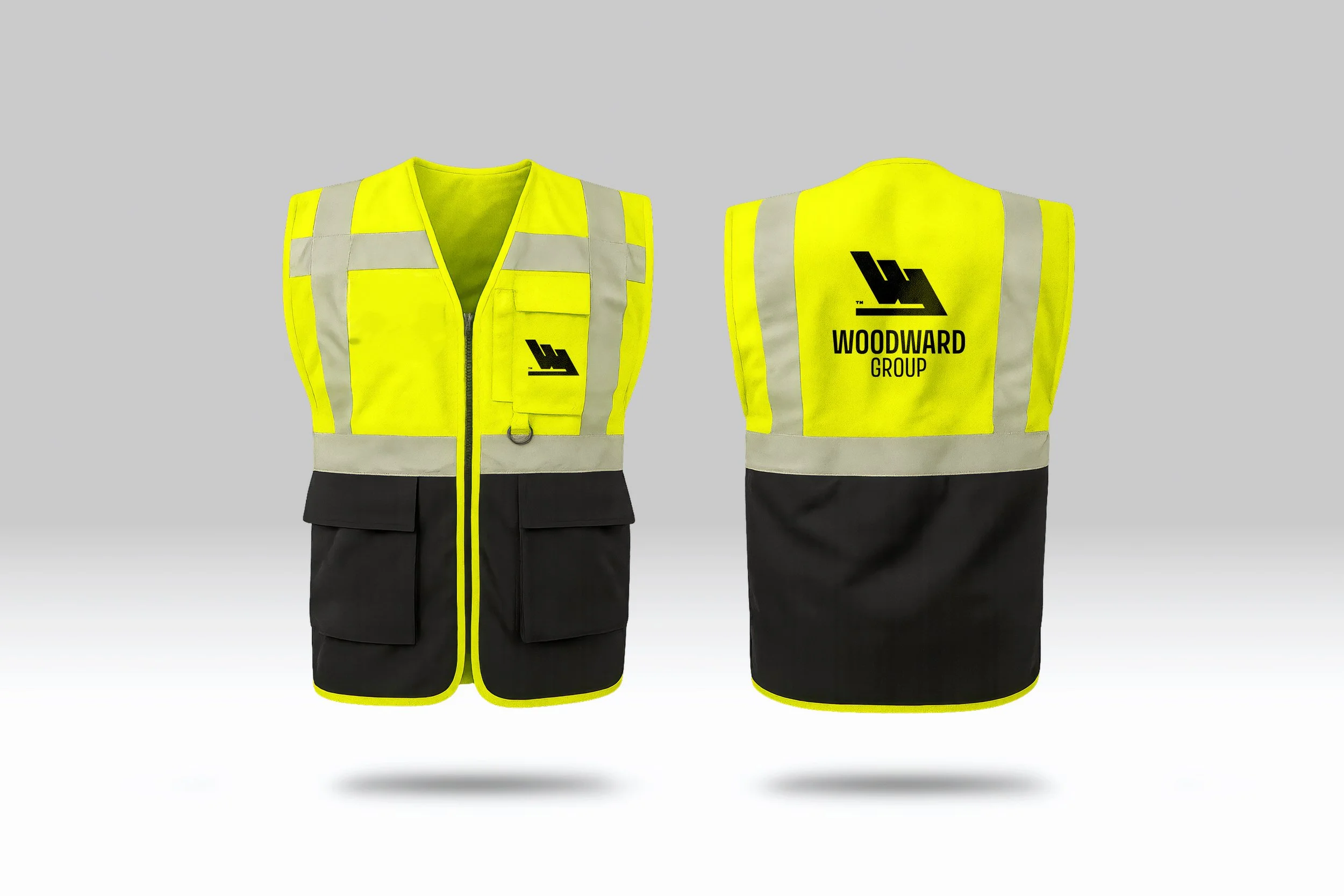
For Woodward, typography had to do more than fill space — it had to carry weight. Avory PE Variable became the voice: clean, geometric, and strong enough to live beside the “W” without competing. The colour palette, grounded in core red and balanced by a deep Atlantic blue, keeps the system cohesive across everything from a safety vest to a shipping invoice.


From Letterhead to Lifeline.
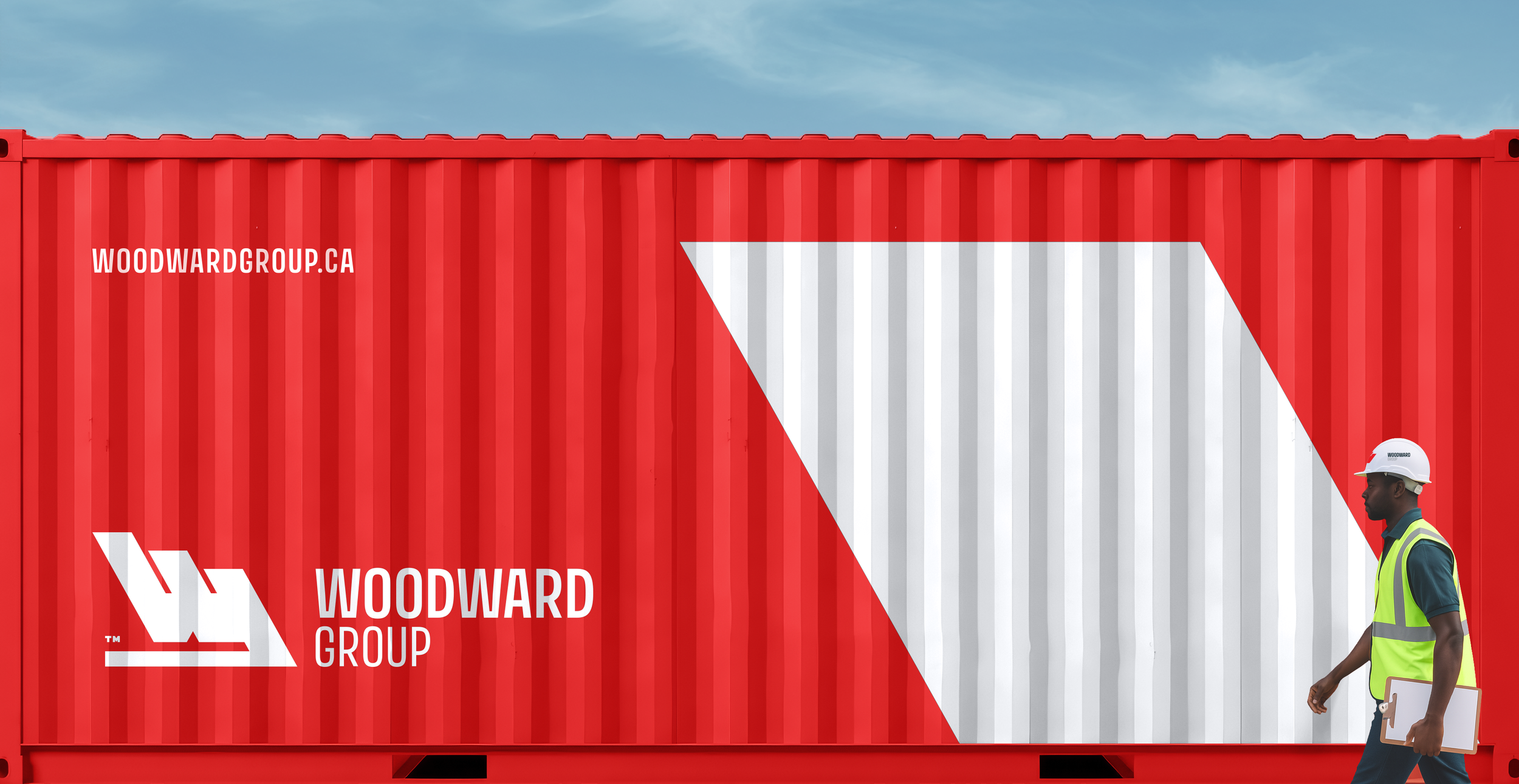
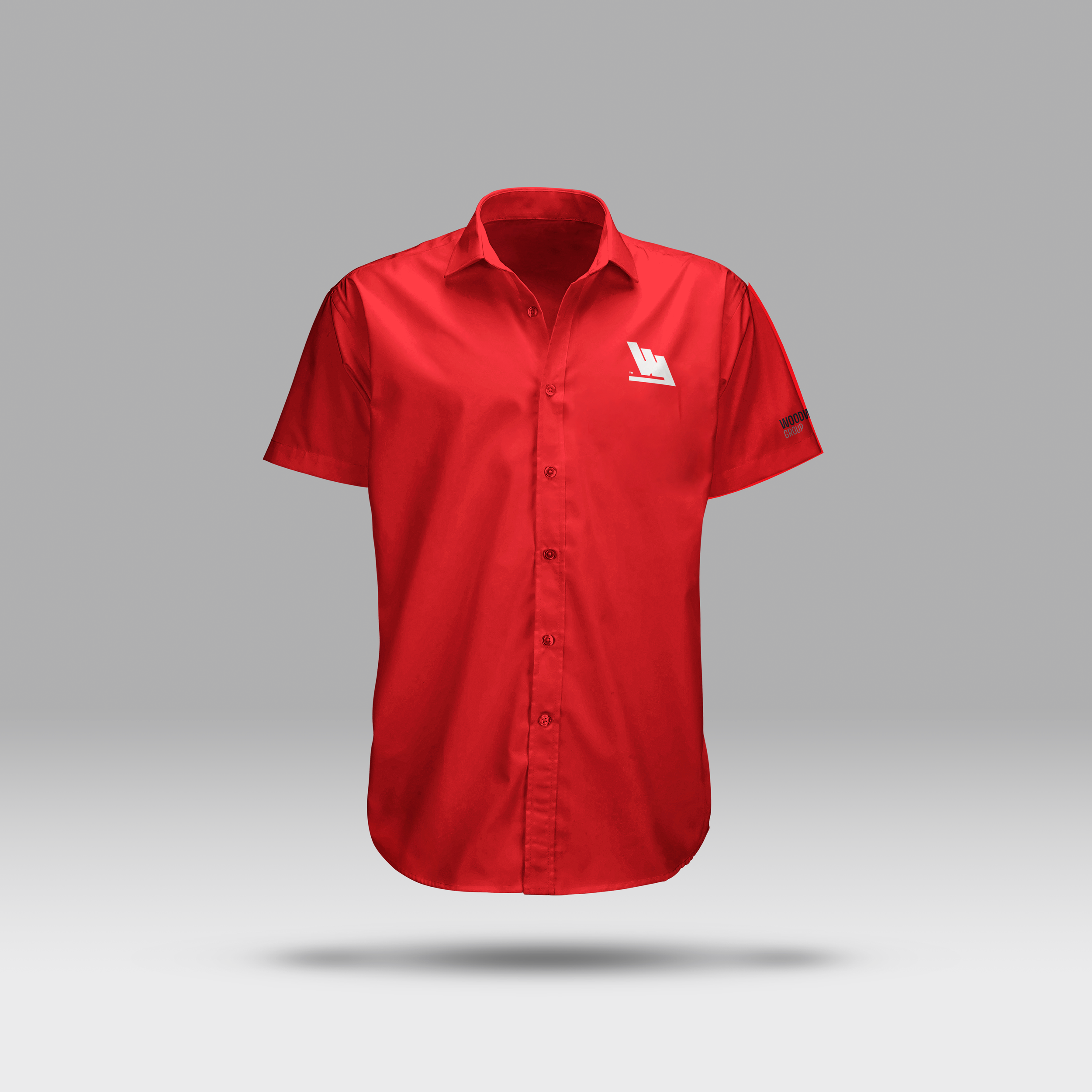
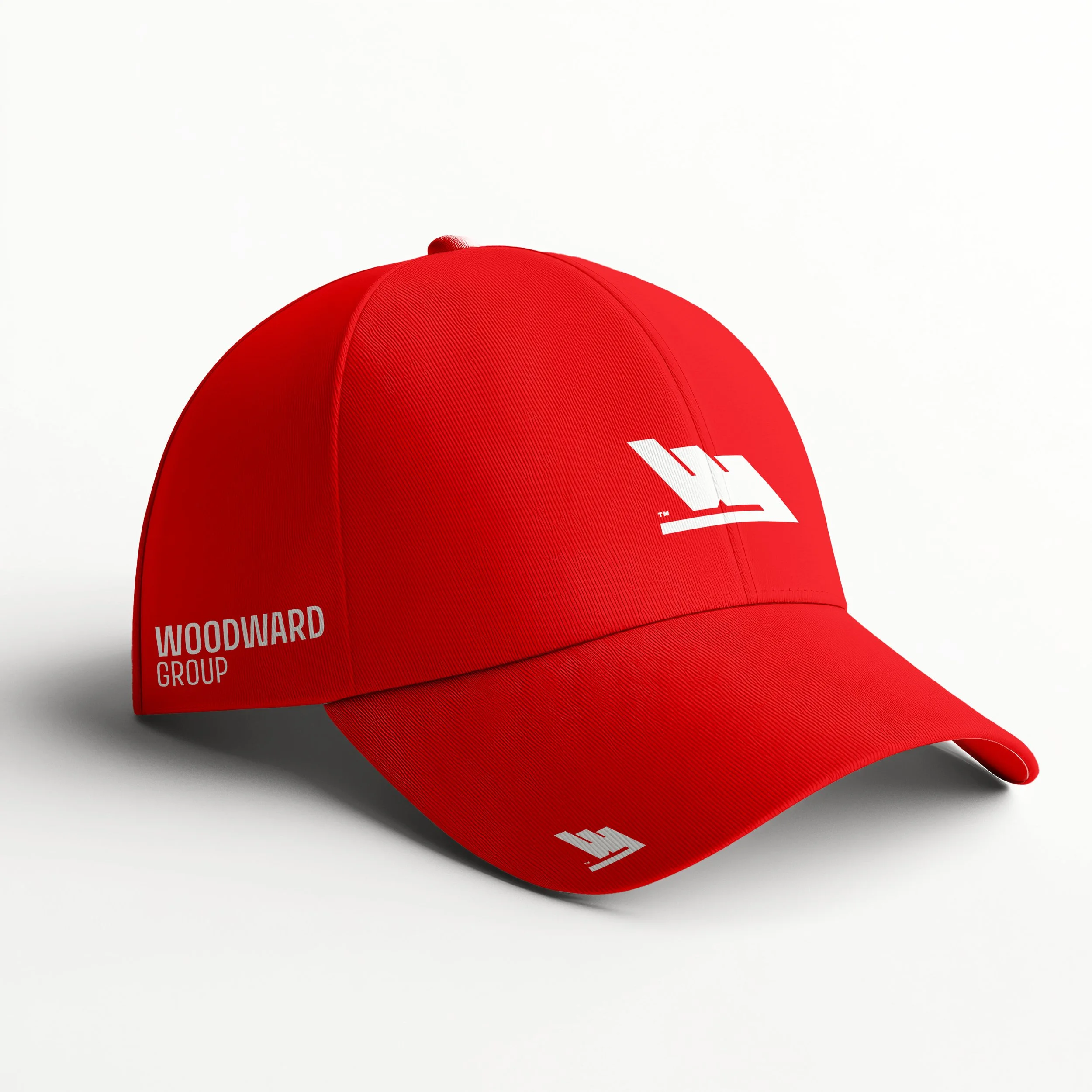
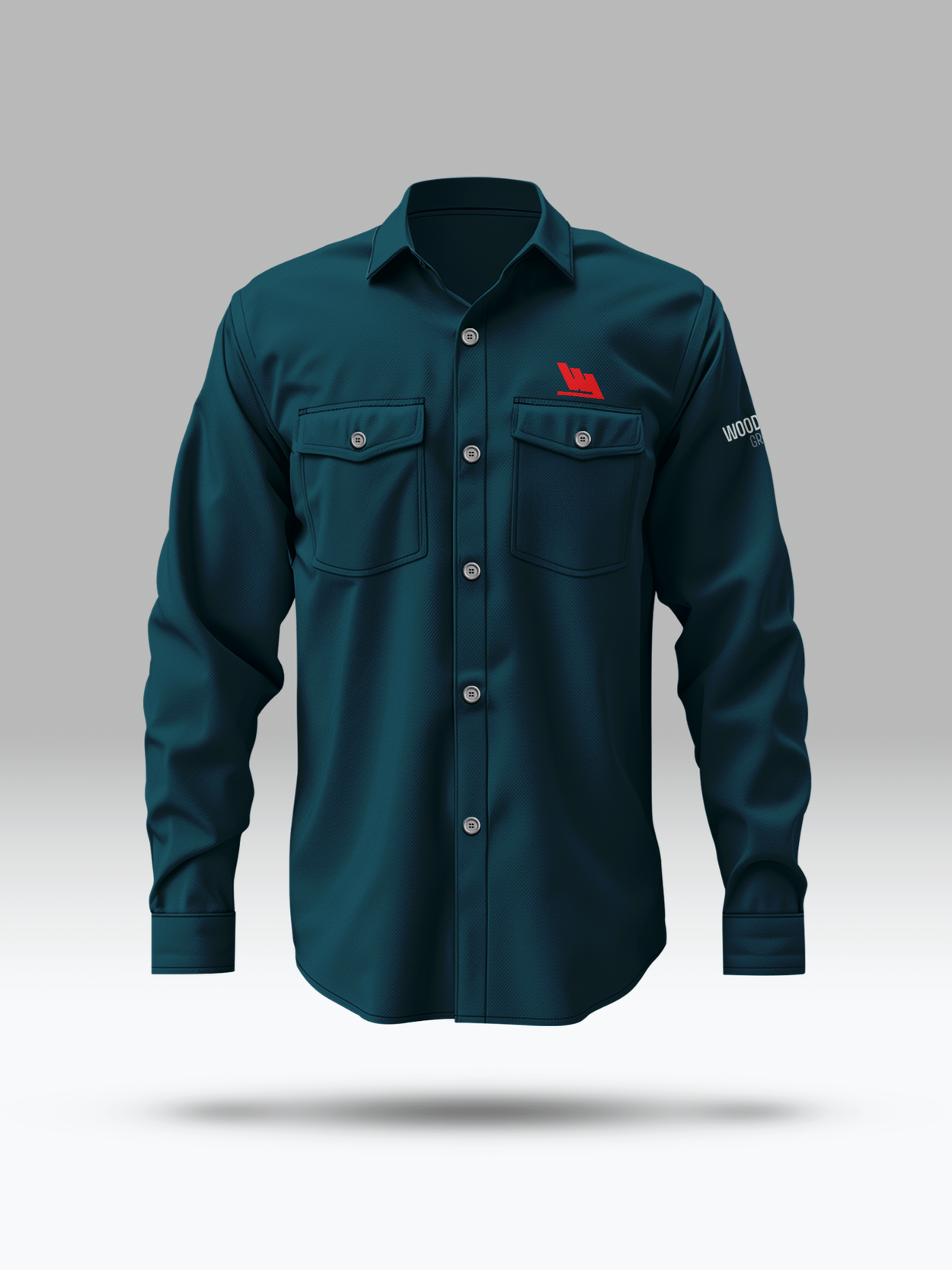
A brand only matters if it works in the real world. For Woodward, that meant business cards that feel credible, letterhead that signals professionalism, signage that can weather the elements, and safety gear that employees wear with pride. Every application reinforces the system — consistent, clear, and instantly recognizable.




Patrick Molloy, Vice President - Holyrood Trail Association
“Cora’s process was a game-changer. Her thought-provoking questions helped us define our identity, and she delivered designs we absolutely loved.”
Colin Winn, Writer, Creative Director, Brand Revitalizer & Founder of West Rouge Photography